

Landed cost answers a more useful question than “What is the freight rate?” It asks what one sellable unit actually costs after the product has moved from the supplier through international transport, customs and final delivery into usable inventory. For procurement teams, this is the number that should be compared across suppliers, transport modes and sourcing markets.
A freight quote is only one input. Duties, taxes, brokerage, terminal charges, domestic delivery, inspection, storage, packaging changes and inventory timing can materially change the final result. A product with a lower ex-factory price can become the more expensive sourcing choice once these costs are included.
Build the landed-cost formula from the commercial transaction
Start with the purchase price under the agreed Incoterm and identify what origin costs are already included in that price. For compliance and finance teams, the important discipline is consistency. Product data, commercial documents and logistics instructions should tell the same story. When they do not, the shipment becomes harder to clear, reconcile and audit.
Add export-side costs that are paid separately: pickup, warehouse receiving, inspection, consolidation, export handling and documentation. For compliance and finance teams, the important discipline is consistency. Product data, commercial documents and logistics instructions should tell the same story. When they do not, the shipment becomes harder to clear, reconcile and audit.
Add international freight and carrier-related surcharges appropriate to the mode. For compliance and finance teams, the important discipline is consistency. Product data, commercial documents and logistics instructions should tell the same story. When they do not, the shipment becomes harder to clear, reconcile and audit.
Then add destination customs, duties, taxes where applicable, terminal or handling charges and final delivery. For compliance and finance teams, the important discipline is consistency. Product data, commercial documents and logistics instructions should tell the same story. When they do not, the shipment becomes harder to clear, reconcile and audit.
Product cost and Incoterms change the starting point
EXW puts more origin logistics outside the supplier price, while FOB typically includes a defined amount of origin delivery and export handling. For compliance and finance teams, the important discipline is consistency. Product data, commercial documents and logistics instructions should tell the same story. When they do not, the shipment becomes harder to clear, reconcile and audit.
DAP and DDP shift more responsibility toward the seller, but buyers still need to understand the cost embedded in the product or logistics price. For compliance and finance teams, the important discipline is consistency. Product data, commercial documents and logistics instructions should tell the same story. When they do not, the shipment becomes harder to clear, reconcile and audit.
Incoterms do not determine tariff classification or product compliance. They allocate delivery responsibilities and risk between seller and buyer. For compliance and finance teams, the important discipline is consistency. Product data, commercial documents and logistics instructions should tell the same story. When they do not, the shipment becomes harder to clear, reconcile and audit.
For accurate comparisons, normalize competing supplier quotes to the same landed endpoint. For compliance and finance teams, the important discipline is consistency. Product data, commercial documents and logistics instructions should tell the same story. When they do not, the shipment becomes harder to clear, reconcile and audit.

Freight cost must be calculated on the right billing unit

Air freight is usually influenced by chargeable weight, which can be driven by dimensions rather than actual scale weight. For compliance and finance teams, the important discipline is consistency. Product data, commercial documents and logistics instructions should tell the same story. When they do not, the shipment becomes harder to clear, reconcile and audit.
Sea LCL commonly uses volume and can include minimum charges and destination handling. For compliance and finance teams, the important discipline is consistency. Product data, commercial documents and logistics instructions should tell the same story. When they do not, the shipment becomes harder to clear, reconcile and audit.
FCL uses container economics, but drayage, free time, chassis, storage and delivery conditions influence the final door cost. For compliance and finance teams, the important discipline is consistency. Product data, commercial documents and logistics instructions should tell the same story. When they do not, the shipment becomes harder to clear, reconcile and audit.
For e-commerce shipments, carton-level labeling and fulfillment-center delivery can add operational costs that do not appear in the main freight rate. For compliance and finance teams, the important discipline is consistency. Product data, commercial documents and logistics instructions should tell the same story. When they do not, the shipment becomes harder to clear, reconcile and audit.
Duties and taxes can dominate the difference
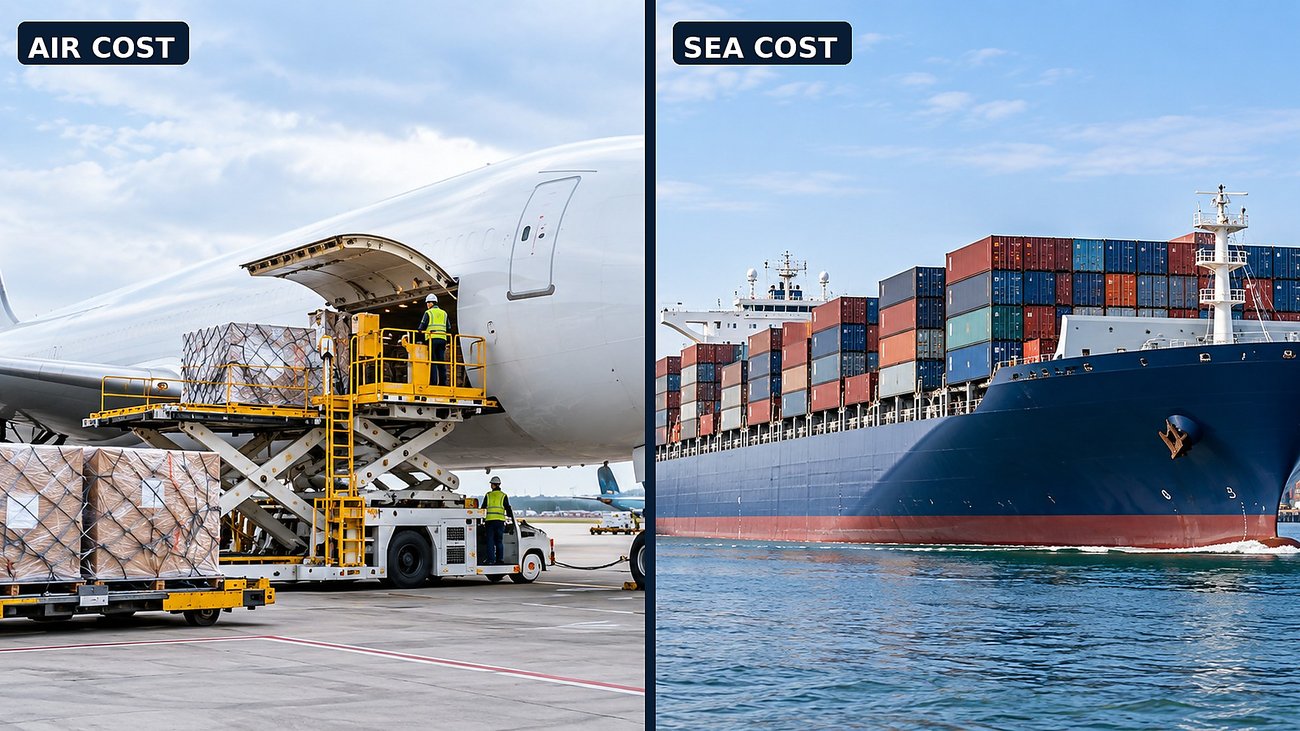
HS classification, customs value, origin and trade measures determine duty treatment. For compliance and finance teams, the important discipline is consistency. Product data, commercial documents and logistics instructions should tell the same story. When they do not, the shipment becomes harder to clear, reconcile and audit.
Additional tariffs, excise, VAT/GST or product-specific charges can apply depending on destination. For compliance and finance teams, the important discipline is consistency. Product data, commercial documents and logistics instructions should tell the same story. When they do not, the shipment becomes harder to clear, reconcile and audit.
Do not use another importer’s historical duty rate as a substitute for classifying your own product. For compliance and finance teams, the important discipline is consistency. Product data, commercial documents and logistics instructions should tell the same story. When they do not, the shipment becomes harder to clear, reconcile and audit.
For strategic sourcing comparisons, model duty sensitivity so the business can see how tariff changes would affect gross margin. For compliance and finance teams, the important discipline is consistency. Product data, commercial documents and logistics instructions should tell the same story. When they do not, the shipment becomes harder to clear, reconcile and audit.
Include operational accessorials
Storage, demurrage, detention, customs exams, inspection, waiting time and redelivery are not routine costs, but they are real risks. For compliance and finance teams, the important discipline is consistency. Product data, commercial documents and logistics instructions should tell the same story. When they do not, the shipment becomes harder to clear, reconcile and audit.
Some businesses model these as a historical percentage or contingency reserve rather than pretending every shipment will be perfect. For compliance and finance teams, the important discipline is consistency. Product data, commercial documents and logistics instructions should tell the same story. When they do not, the shipment becomes harder to clear, reconcile and audit.
Remote delivery, liftgate, residential or appointment requirements can create predictable accessorials and should be included directly. For compliance and finance teams, the important discipline is consistency. Product data, commercial documents and logistics instructions should tell the same story. When they do not, the shipment becomes harder to clear, reconcile and audit.
Supplier packaging quality also affects cost through damage, repacking and inefficient cube. For compliance and finance teams, the important discipline is consistency. Product data, commercial documents and logistics instructions should tell the same story. When they do not, the shipment becomes harder to clear, reconcile and audit.
Connect landed cost with inventory carrying cost
A slower freight mode can reduce transport cost but increase pipeline inventory and working-capital requirements. For compliance and finance teams, the important discipline is consistency. Product data, commercial documents and logistics instructions should tell the same story. When they do not, the shipment becomes harder to clear, reconcile and audit.
A faster mode can be economically rational when it prevents stockouts, lost sales or production downtime. For compliance and finance teams, the important discipline is consistency. Product data, commercial documents and logistics instructions should tell the same story. When they do not, the shipment becomes harder to clear, reconcile and audit.
The relevant comparison is the total supply-chain consequence of the mode, not a simplistic air-versus-sea rate difference. For compliance and finance teams, the important discipline is consistency. Product data, commercial documents and logistics instructions should tell the same story. When they do not, the shipment becomes harder to clear, reconcile and audit.
Segment SKUs by margin, value density and demand volatility to decide which products justify premium transport. For compliance and finance teams, the important discipline is consistency. Product data, commercial documents and logistics instructions should tell the same story. When they do not, the shipment becomes harder to clear, reconcile and audit.
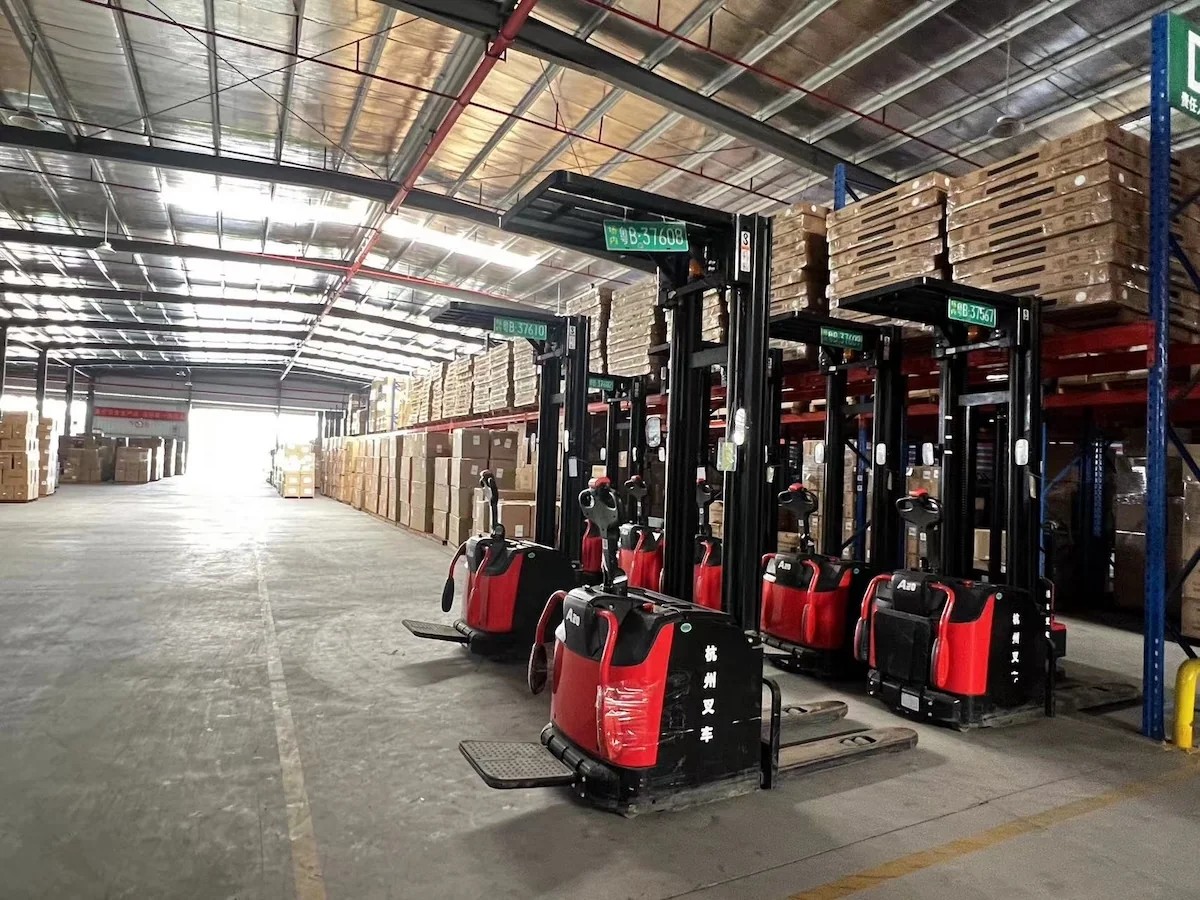
Calculate landed cost per sellable unit
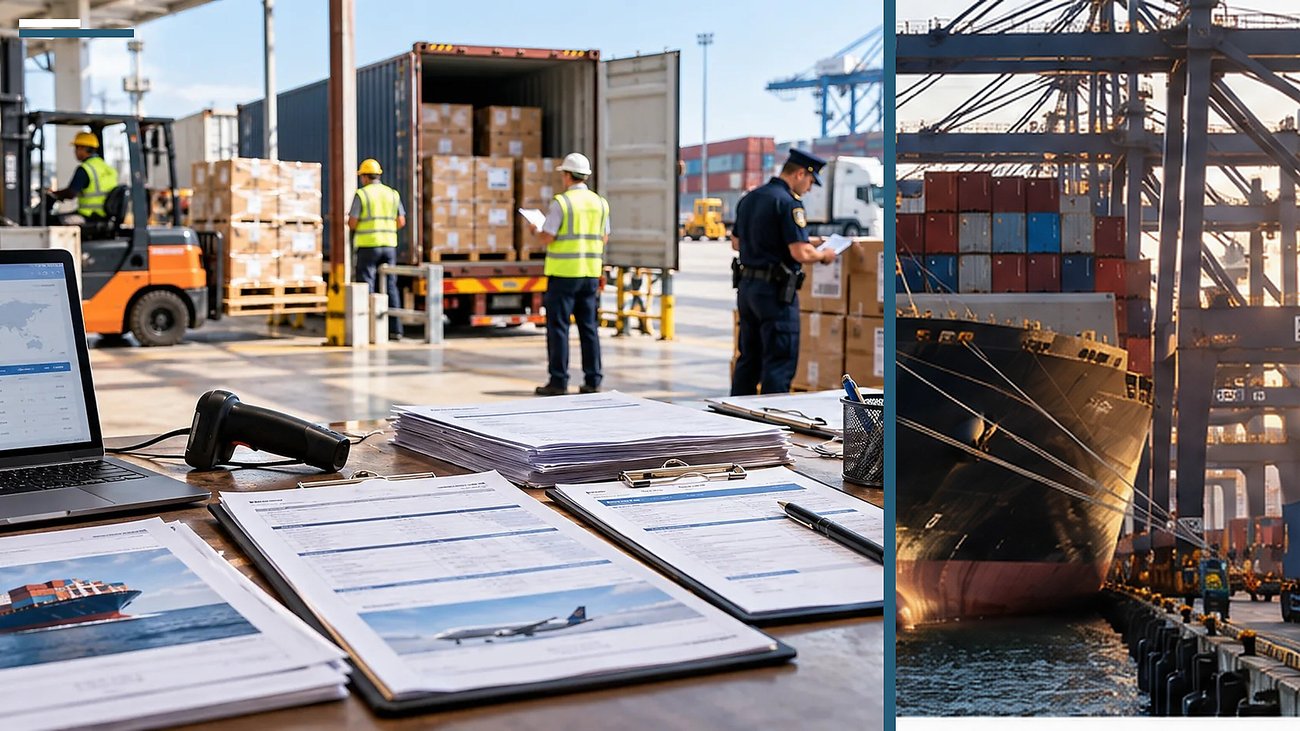
Divide the total landed shipment cost by the number of usable units actually received, not only the quantity ordered. For compliance and finance teams, the important discipline is consistency. Product data, commercial documents and logistics instructions should tell the same story. When they do not, the shipment becomes harder to clear, reconcile and audit.
Damage, shortages, quality rejects and compliance failures change the true unit economics. For compliance and finance teams, the important discipline is consistency. Product data, commercial documents and logistics instructions should tell the same story. When they do not, the shipment becomes harder to clear, reconcile and audit.
If products have different weights or values in one consolidated shipment, allocate freight and duty using a consistent method such as weight, volume, value or a blended rule. For compliance and finance teams, the important discipline is consistency. Product data, commercial documents and logistics instructions should tell the same story. When they do not, the shipment becomes harder to clear, reconcile and audit.
Document the allocation method so finance, sourcing and operations use the same assumptions. For compliance and finance teams, the important discipline is consistency. Product data, commercial documents and logistics instructions should tell the same story. When they do not, the shipment becomes harder to clear, reconcile and audit.
Use landed-cost models for decisions, not accounting precision
The model should be accurate enough to compare choices before booking. It does not need to predict every possible exception to the cent. For compliance and finance teams, the important discipline is consistency. Product data, commercial documents and logistics instructions should tell the same story. When they do not, the shipment becomes harder to clear, reconcile and audit.
Create scenarios for sea, air, rail or DDP, then compare cost against inventory date and risk. For compliance and finance teams, the important discipline is consistency. Product data, commercial documents and logistics instructions should tell the same story. When they do not, the shipment becomes harder to clear, reconcile and audit.
Update the model when tariffs, fuel, capacity, packaging or supplier terms change. For compliance and finance teams, the important discipline is consistency. Product data, commercial documents and logistics instructions should tell the same story. When they do not, the shipment becomes harder to clear, reconcile and audit.
After actual delivery, reconcile estimates with final invoices and improve the next forecast. For compliance and finance teams, the important discipline is consistency. Product data, commercial documents and logistics instructions should tell the same story. When they do not, the shipment becomes harder to clear, reconcile and audit.
Decision table
| Decision area | What to confirm | Why it matters |
|---|---|---|
| Cargo facts | Commodity, cartons, actual weight, dimensions and handling characteristics | Freight pricing and carrier acceptance depend on the physical shipment, not only the purchase order. |
| Route scope | Pickup point, main mode, gateway and final delivery point | Two quotes are not comparable if they cover different segments of the journey. |
| Customs data | Description, value, classification, origin and importer/broker setup | Clean customs data reduces avoidable questions and supports landed-cost planning. |
| Inventory date | Required receipt date and acceptable schedule buffer | Mode and routing should protect the business requirement, not only minimize transport spend. |
| Exceptions | Storage, inspection, delay, redelivery and escalation process | A clear exception plan reduces surprise cost and decision time when the shipment deviates from plan. |
Importer checklist
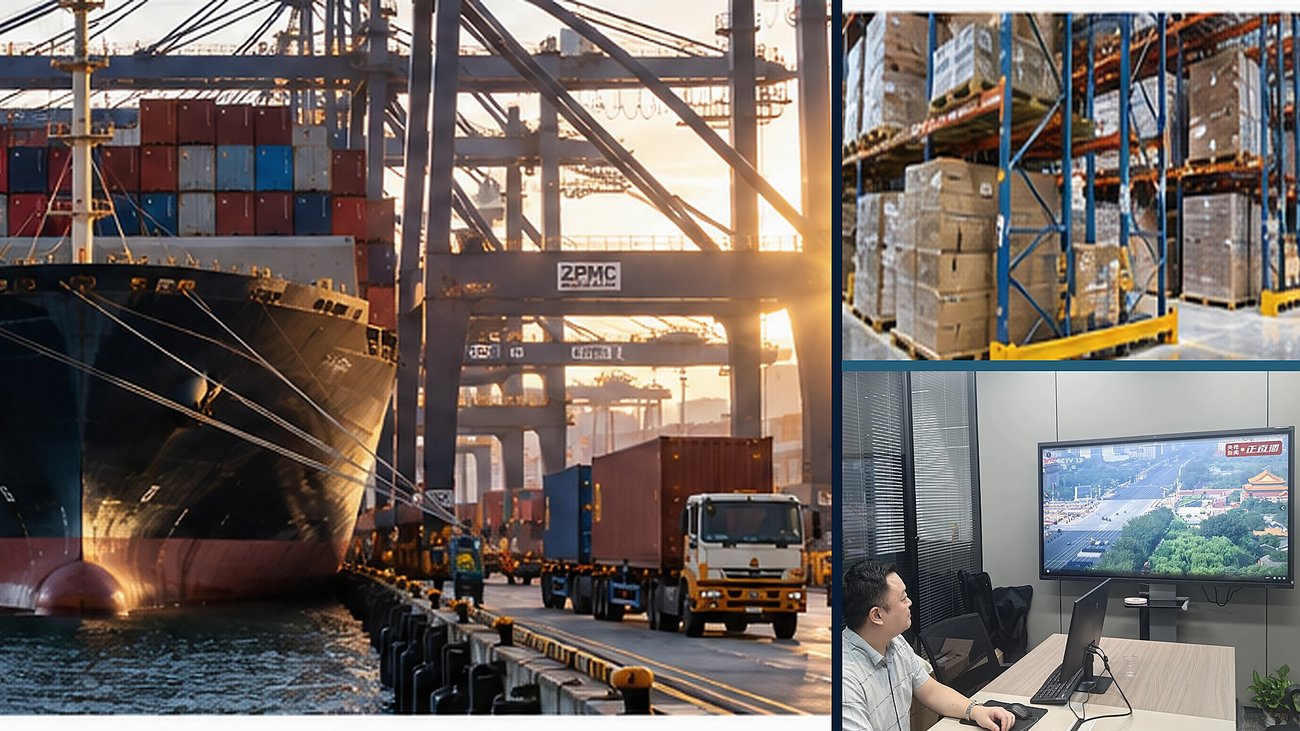
- Supplier unit price and Incoterm
- Origin pickup and warehouse costs
- International freight and surcharges
- Customs duty and import taxes
- Brokerage and terminal charges
- Domestic delivery
- Labeling/repacking/inspection
- Expected accessorial reserve
- Inventory carrying cost
- Final landed cost per usable unit
How the decision changes by destination market
United States
For the United States, combine freight planning with importer-of-record, customs-broker, tariff and final receiving requirements. Port or airport choice should be evaluated against domestic delivery, not in isolation. E-commerce and retailer programs can add appointment, labeling and compliance steps that deserve their own lead time. The same principle applies here: compare the complete operating chain and confirm market-specific requirements before cargo is committed to a route.
Canada
For Canada, destination geography can make final-mile cost a major share of the total shipment. Confirm customs and tax handling, then compare gateways based on the actual delivery province and warehouse rather than assuming the nearest international gateway is always best. The same principle applies here: compare the complete operating chain and confirm market-specific requirements before cargo is committed to a route.
United Kingdom
For the United Kingdom, treat customs and tax planning as a distinct destination workflow rather than an extension of EU processes. The consignee/importer setup, commodity data and final delivery appointment should be clear before departure. The same principle applies here: compare the complete operating chain and confirm market-specific requirements before cargo is committed to a route.
European Union
For EU destinations, customs, VAT structure, product regulation and intra-European distribution can interact. The best arrival gateway for a regional supply chain may differ from the country where the goods are ultimately sold, so legal and logistics planning should be aligned. The same principle applies here: compare the complete operating chain and confirm market-specific requirements before cargo is committed to a route.
Australia
For Australia, biosecurity and product-specific import conditions can be as important as the freight mode. Packaging materials, cargo cleanliness and accurate declarations should be reviewed early for relevant goods. The same principle applies here: compare the complete operating chain and confirm market-specific requirements before cargo is committed to a route.
UAE and Gulf markets
For the UAE and Gulf markets, door-delivery planning should reflect destination customs requirements, consignee readiness and local receiving conditions. Commercial-document accuracy and a clear final-mile contact reduce avoidable handoff delays. The same principle applies here: compare the complete operating chain and confirm market-specific requirements before cargo is committed to a route.
Frequently asked questions
What is included in landed cost?
Typically product cost plus all logistics, customs and delivery costs required to place usable inventory at the chosen destination.
Is landed cost the same as DDP price?
Not necessarily. A DDP price may bundle many components, while landed cost is an analytical view of the buyer’s full economic cost.
How do I allocate freight across different products?
Use a consistent allocation basis such as weight, cube or value depending on how the shipment costs are driven.
Should inventory cost be included?
For operational decisions it is useful to model pipeline inventory and stockout effects even if finance accounts for them separately.
How often should I update landed cost?
Whenever major rates, tariffs, packaging, supplier terms or routes change, and periodically using actual shipment results.
Can a cheaper supplier have a higher landed cost?
Yes. Freight density, duty treatment, defects, packaging and delivery complexity can offset a lower factory price.
Next steps
Before requesting a final freight rate, prepare the shipment facts and decide which trade-offs matter most: cost, timing, control, customs responsibility, delivery complexity or inventory risk. YUJINTONG can then review the cargo and build a route around those constraints rather than forcing every shipment into the same template.
Related resources: Volumetric weight calculator · Incoterms guide · Estimate freight
Operational field notes
A useful operating habit is to separate assumptions from confirmed facts. Supplier-provided dimensions, tentative cargo-ready dates and estimated customs classifications should be marked as provisional until the responsible party has verified them. This prevents planning documents from looking more certain than the underlying information really is. When a provisional assumption changes, the team can immediately see which rate, booking or inventory decision needs to be reviewed.
Procurement and logistics teams should also keep a short decision log for material route changes. Record why the original mode was selected, what event caused the change, which alternatives were considered and who approved the additional cost or timing trade-off. This creates better supplier and forwarder reviews later and avoids repeating the same debate during the next disruption.
Another improvement is to standardize shipment master data. A controlled file containing product descriptions, HS classifications used for planning, dimensions, battery status, packaging type, country of origin and compliance references reduces rework across quotations, bookings and customs communication. The data still needs route-specific validation, but teams start from a better baseline.
Visibility is most valuable when it is linked to action. Instead of collecting dozens of milestones, identify the moments that can change a business decision: supplier late, cargo measured differently, booking not confirmed, departure missed, customs hold, free time at risk or delivery appointment rejected. Each critical event should have an owner, a response target and an escalation path.
The financial review should continue after delivery. Compare the original planning estimate with the final freight invoice, customs charges, accessorials and delivery cost. Categorize every variance as forecast error, scope change, operational exception or supplier data issue. Over several shipments, this produces a much more reliable view of landed cost and forwarder performance than headline rate comparisons alone.
For repeat lanes, document a simple standard operating procedure covering booking lead time, required documents, warehouse cutoff, approval contacts, expected milestones and destination receiving rules. The SOP should be short enough that teams actually use it. Update it when a real shipment reveals a new risk or a better operating practice.
A useful operating habit is to separate assumptions from confirmed facts. Supplier-provided dimensions, tentative cargo-ready dates and estimated customs classifications should be marked as provisional until the responsible party has verified them. This prevents planning documents from looking more certain than the underlying information really is. When a provisional assumption changes, the team can immediately see which rate, booking or inventory decision needs to be reviewed.