
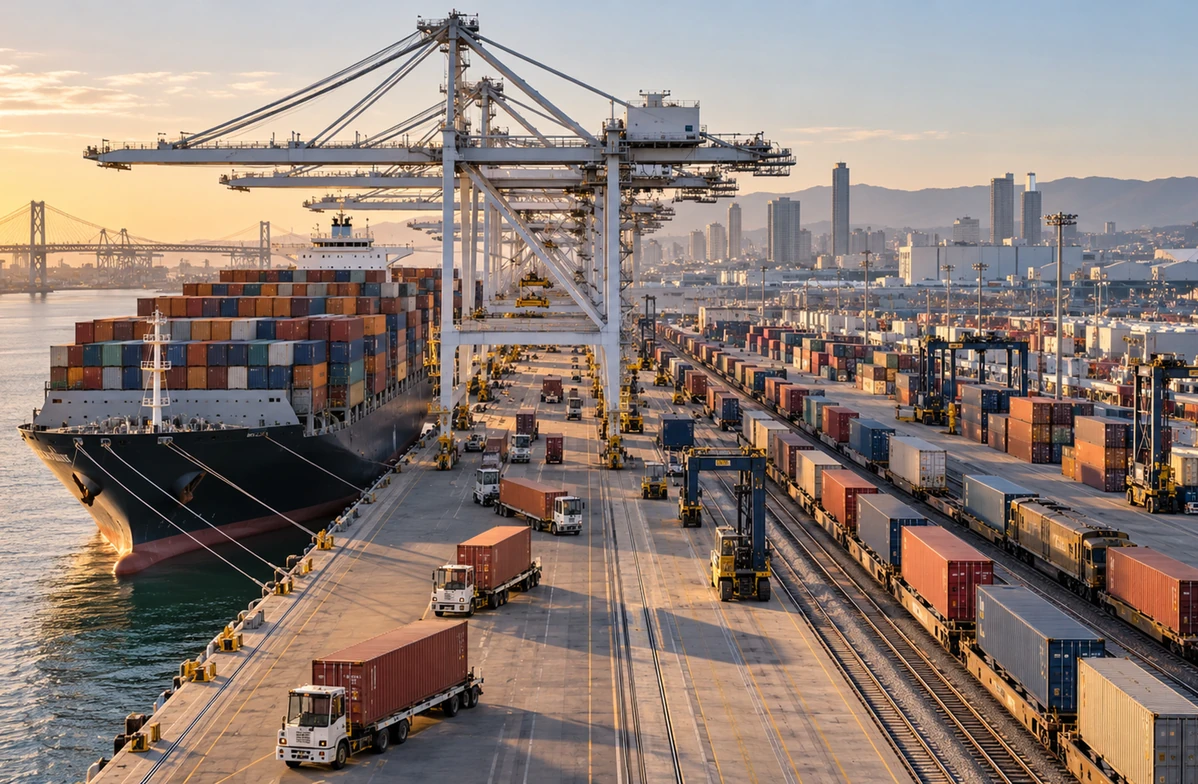
Most China-to-USA shipping problems are decided before the cargo leaves the factory, not at the border. This guide walks importers through the decisions that determine whether a shipment clears smoothly, lands at the right facility and stays inside budget: who acts as Importer of Record, how the goods are classified, what bond and filing steps apply, which freight mode fits the inventory plan, and how final delivery is arranged.
Decide who is the Importer of Record
The Importer of Record (IOR) is the entity responsible for the accuracy of the entry, the payment of duties and taxes, and compliance with U.S. import law. In a standard DDP or DAP movement the seller or a nominated agent may act as IOR; in most other sales the U.S. buyer is the IOR.
Confirm this early, because it drives everything else:
- Who will file the entry and accept CBP liability?
- Is the IOR a U.S.-established entity with an IRS/EIN and a valid customs bond?
- If a foreign entity is the IOR, has a licensed customs broker or nominee been appointed?
- For DDP, who funds the duty, the bond and any trade-remedy charges?
A shipment planned around the wrong IOR structure is hard to fix after departure. Align the sales Incoterm, the IOR and the broker before booking.
Classify the goods and confirm HTS
The Harmonized Tariff Schedule (HTS) code sets the duty rate, the admissibility path and any Chapter 99 trade-remedy measures that apply to goods of Chinese origin. A product name is never enough.
- Match the physical product to the correct HTS subheading, not a similar-sounding one.
- Confirm whether additional Section 301 or other trade-remedy duties apply to that classification.
- Keep the commercial description, the packing list and the entry consistent with the HTS choice.
- Capture the country of origin accurately; transshipment does not change origin.
If the classification is uncertain, a binding ruling or broker review should happen before cargo is collected, not after it arrives.
Plan the customs bond
Most formal commercial entries into the United States require a customs bond. The bond protects the government for duties, taxes and penalties that may arise from the entry.
- Single-entry bond suits one-off or low-frequency shipments.
- Continuous bond is usually cheaper once you import regularly through the year.
The right type and amount depend on the importer, the shipment value and the entry pattern. Confirm the bond with the licensed broker rather than assuming the carrier handles it.
File the Importer Security Filing (ISF)
For ocean shipments to the United States, the Importer Security Filing — often called ISF-10+2 — must be submitted before the vessel loads overseas. Missing or late ISF data can lead to holds, penalties and delayed release.
The importer (or the appointed filer) is responsible for the data, including seller, buyer, HTS, country of origin, and container and stuffing location details. Air and express movements follow different advance-data rules, but the principle is the same: get the filing right before departure.
Match the freight mode to your inventory plan
The mode should follow the inventory need, not the headline rate.
| If your priority is… | Consider |
|---|---|
| Protecting a launch date or avoiding a stockout | Air freight or express for the urgent quantity |
| Moving dense, bulky or replenishment cargo | Ocean LCL or FCL |
| Below a full-container volume | LCL, with destination handling and deconsolidation timed to arrival |
| A full, regular or container-ready load | FCL for control and lower per-unit handling |
| One coordinated landed delivery | DDP or door-to-door, only after the IOR, bond and classification are confirmed |
A split plan is common: send the urgent units by air and the balance by sea. Compare the full route — pickup, export handling, main transport, destination terminal or airline charges, brokerage, duty, taxes or trade-remedy charges, inspection exposure, storage and final delivery — rather than the port-to-port rate alone.
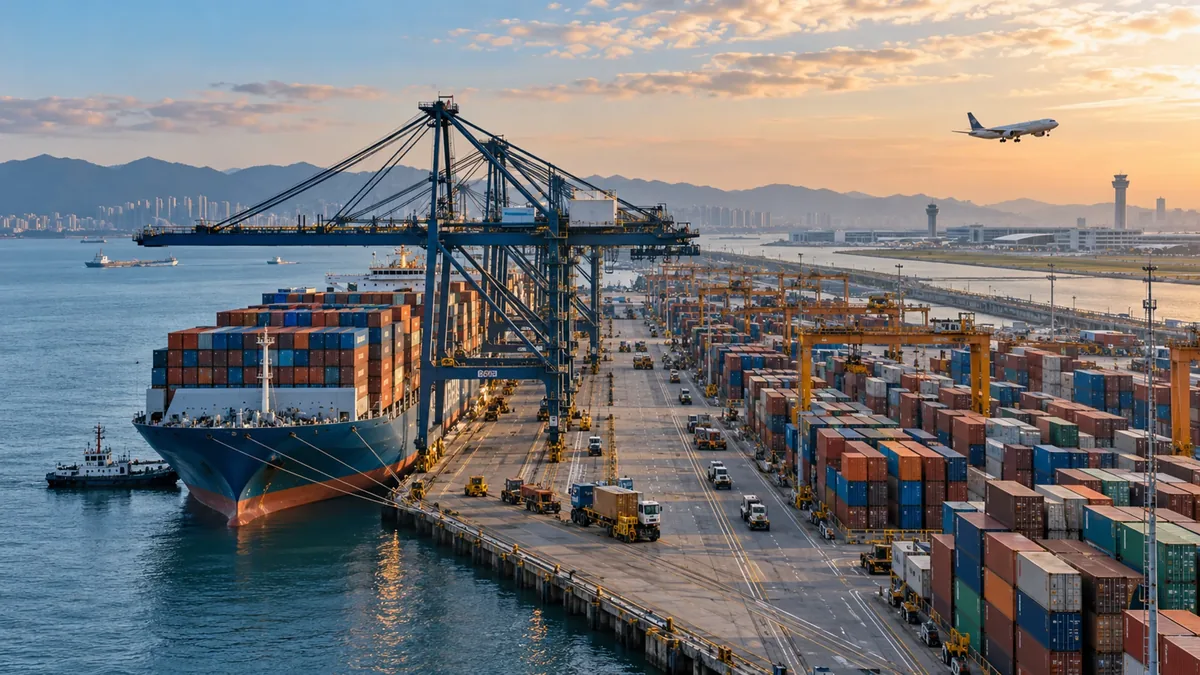
Consolidate supplier cargo in China
When several factories supply one order, collection and consolidation in China create one controlled export file. The warehouse verifies outer-package counts, dimensions and gross weight, then aligns the final packing list with the commercial invoice before dispatch.
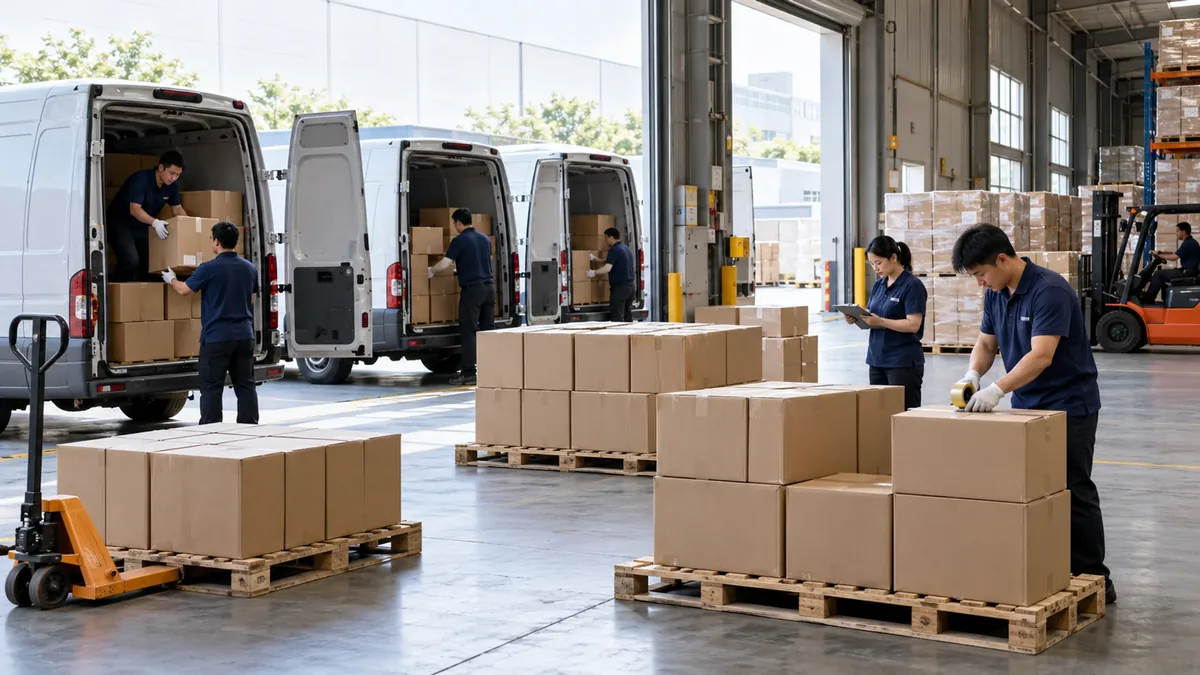
Keep each supplier lot traceable. Mixed commodities may need separate HTS codes, origin data and agency checks even when they travel in one container, so itemize them before the booking cutoff.
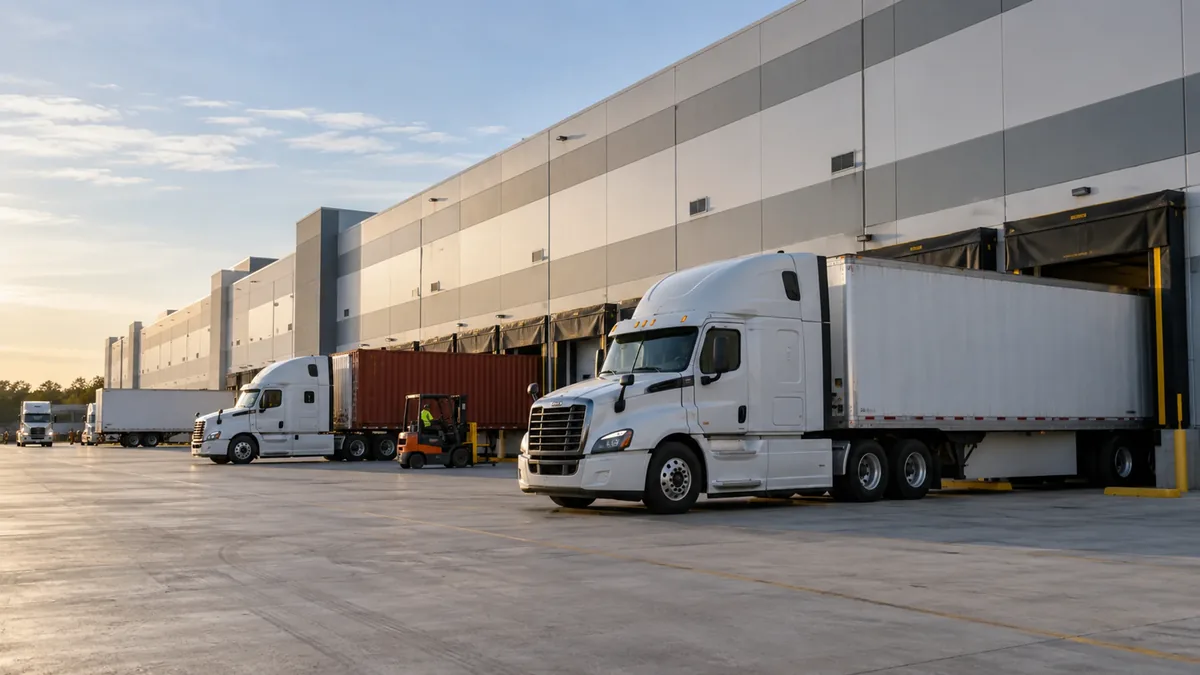
Plan delivery to warehouse, FBA or fulfillment
Port choice should serve the final destination, not just the lowest ocean rate. West Coast gateways shorten the sailing from China, while Gulf or East Coast options can reduce inland transport for some destinations. Rail, transload and truck combinations should be planned together with congestion, free time and inventory deadlines.
Confirm the receiving site's requirements before booking:
- Live unload versus drop, appointment windows and receiving hours
- Dock height, pallet exchange and liftgate or limited-access needs
- Whether the facility is a private warehouse, a 3PL or an Amazon FBA center
- FBA-specific booking, labeling, pallet and carton requirements, which are separate from customs clearance
Pre-shipment checklist
Send these to receive a defensible plan rather than a rough estimate:
- Pickup city and supplier addresses in China
- Delivery city or ZIP code in the United States
- Carton or pallet count, dimensions and gross weight
- Product description, value and currency
- HTS code if known, and country of origin
- Incoterm and intended IOR structure
- Bond type and broker details if already arranged
- Required delivery date and any FBA or appointment constraints
Frequently asked questions
Can you deliver to an Amazon FBA warehouse?
Freight can be planned for fulfillment-center delivery, but the shipment must meet the platform's booking, labeling, pallet and appointment requirements. Those requirements sit outside customs clearance and should be confirmed up front.
Is DDP the same as duty-free shipping?
No. DDP allocates delivery responsibilities under the sales arrangement; it does not remove duties, taxes, trade remedies, permits or importer obligations.
Do I need a customs bond?
Many formal commercial entries require a bond. The correct type and amount should be confirmed with the licensed customs broker based on the importer and the shipment.
What is needed for a quote?
Send carton or pallet dimensions, gross weight, product description, value, pickup address, U.S. delivery ZIP code, required date, HTS code if available, and the intended IOR and bond structure.
Request a China–USA import plan
Share the packing list, commercial invoice draft, delivery ZIP code and the intended IOR and bond setup. We will compare feasible air, LCL, FCL and door-to-door options and identify the customs information still needed before booking.
Freight planning note
This guide describes general freight-forwarding workflows and planning considerations. It does not promise guaranteed customs clearance, fixed transit times, fixed landed costs, or universal eligibility for DDP service. Routing, Incoterms responsibilities, taxes, duties, licensing, product restrictions, and importer-of-record arrangements depend on the specific shipment and destination. Confirm the details with qualified customs, tax, and legal advisers before booking.
Official references
Part of the Shipping from China hub — see the wider freight planning map.


