The practical difference
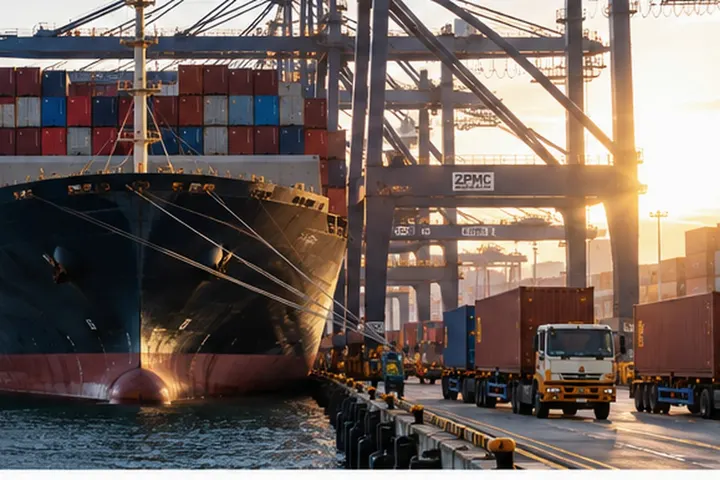
The Federal Maritime Commission describes detention as charges for extended use of intermodal equipment, while demurrage accrues when a container exceeds free time at a marine terminal.
Industry usage commonly separates them this way:
Demurrage: container remains at the terminal beyond allowed free time.
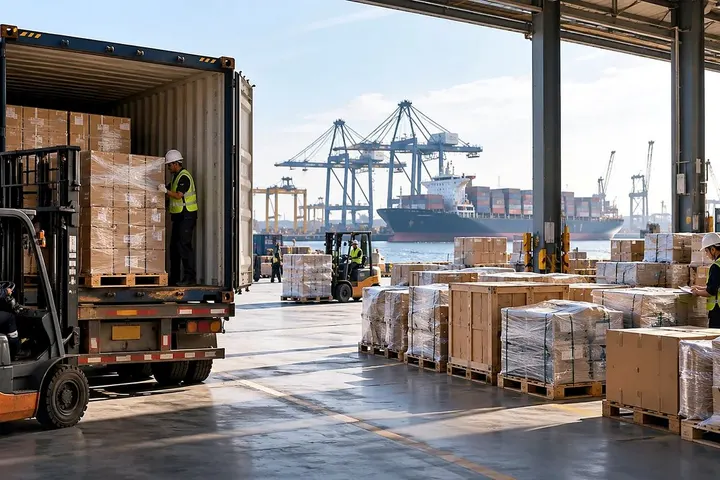
Detention: container/equipment remains outside the terminal beyond allowed free time before return.
Storage: terminal or warehouse charges for cargo/container occupying space, depending on facility rules.
Terminology and billing structures vary by carrier, terminal and country, so the shipment tariff and local rules control.
Import example
A container is discharged Monday.
The importer has a limited free-time window to complete customs release, arrange pickup and gate the full container out.
If clearance is delayed and the container stays in the terminal too long, demurrage/terminal charges may begin.
Once the container gates out, a separate clock may apply for returning the empty container. If the warehouse unloads slowly and the empty is returned late, detention/per-diem charges may apply.
Why charges escalate so quickly
These fees are designed partly to encourage equipment and terminal fluidity. Rate structures can increase by day or by tier.
A delay that looks minor operationally can become expensive when multiplied across:
- Several containers
- Weekend/holiday constraints
- Chassis availability
- Customs inspections
- Warehouse receiving delays
- Missed terminal appointments
The biggest root causes
Customs documents not ready
The vessel arrives before the broker has complete classification, value, importer or document data.
Customs exam or agency hold
Some holds cannot be avoided, but rapid response and document readiness can shorten controllable delay.
Original bill/release problem
Cargo cannot be released because transport-document or payment arrangements are incomplete.
Delivery appointment not booked
The receiving warehouse has no slot before free time expires.
Trucking capacity shortage
Pickup is approved but no drayage provider/equipment is available.
Empty return problem
The container is unloaded but cannot be returned to the designated location before detention free time expires.
Free time is not one universal number
Never use “five free days” as a permanent rule.
Free time can vary by:
- Carrier
- Port/terminal
- Contract
- Import vs export
- Container/equipment type
- Commodity
- Market
- Negotiated terms
For every FCL shipment, record the actual free-time terms in the shipment file.
How to build a free-time control plan
Before departure
- Confirm importer/broker readiness
- Check bill of lading/release instructions
- Record expected free time
- Pre-book tentative delivery capacity where practical
Before arrival
- Verify ETA
- Confirm customs filing status
- Confirm terminal availability
- Confirm delivery appointment
- Confirm drayage provider
- Identify empty return location/process
After discharge
Track:
- Discharge date
- Last free day at terminal
- Customs release
- Container availability
- Pickup appointment
- Gate-out
- Unload completion
- Empty return
These dates should be visible to the operations team, not buried in email.
Demurrage vs storage: why invoices can show both
Carrier demurrage/equipment charges and terminal storage can coexist depending on the local tariff and contractual setup. The importer should identify who issued each charge and what period it covers before disputing or approving payment.
What to do when a customs exam threatens free time
- Ask the broker/forwarder what type of hold is active.
- Determine whether the terminal/carrier offers relief or exceptions under applicable rules.
- Preserve all notices and timestamps.
- Resolve any missing document request immediately.
- Update delivery planning instead of waiting for release.
- Review invoice dates against actual availability and pickup constraints.
How U.S. rules have changed the conversation
The U.S. Federal Maritime Commission has implemented rules around detention and demurrage billing practices. Importers should review current FMC requirements and carrier/terminal tariffs rather than relying on old industry assumptions.
This article does not interpret those rules for a specific invoice; disputes should be reviewed against the current regulation, invoice and transportation facts.
A container-cost prevention checklist
- Importer and broker ready before arrival
- Customs documents approved before departure
- B/L release method confirmed
- Arrival notices monitored
- Free time recorded
- Delivery appointment arranged
- Drayage capacity reserved
- Warehouse can unload promptly
- Empty return location checked
- Escalation owner assigned
How to compare routing beyond the ocean rate
A port with a lower ocean rate can become more expensive if:
- Final delivery is longer
- Terminal congestion is worse
- Free time is less favorable
- Warehouse appointments are difficult
- Drayage capacity is constrained
For repeat lanes, track total container exception cost by port/carrier. Procurement decisions improve when demurrage/detention are treated as part of route performance rather than random accounting noise.
Frequently asked questions
Who charges demurrage?
Depending on market and tariff, carriers and/or terminals can be involved in time-based charges. Review the actual invoice and governing terms.
Does detention start when the container leaves the port?
Commonly, detention relates to equipment time outside the terminal, but exact free-time start/end rules depend on the contract/tariff.
Is storage the same as demurrage?
Not necessarily. Storage is typically tied to occupying terminal/facility space; demurrage is tied to container/cargo time beyond allowed free time under the applicable structure.
Can a freight forwarder guarantee no demurrage?
No. Customs holds, terminal conditions and consignee delays can still occur. A forwarder can improve planning, visibility and response.
Official reference
- U.S. Federal Maritime Commission — Detention and Demurrage: https://www.fmc.gov/detention-and-demurrage/
Part of the Freight Costs from China hub — see the wider freight planning map.