

Incoterms define responsibilities between seller and buyer for delivery, cost and risk at specified points in the transaction. They do not set payment terms, transfer legal title, classify goods or guarantee customs outcomes. Used correctly, they create a clearer operating boundary between purchasing and logistics. Used casually, they create disputes because buyer and seller assume different things are included.
DDP, DAP, FOB and EXW are commonly seen in China sourcing, but they create very different levels of buyer control. The best choice depends on procurement maturity, customs capability, origin access and whether the buyer wants freight bundled into the supplier’s commercial offer.
EXW: maximum buyer-side origin responsibility
Under EXW, the seller makes goods available at the named place and the buyer takes on extensive transport responsibility from origin. For compliance and finance teams, the important discipline is consistency. Product data, commercial documents and logistics instructions should tell the same story. When they do not, the shipment becomes harder to clear, reconcile and audit.
In real China export practice, buyers should confirm how export customs formalities will be arranged and whether the structure is operationally suitable. For compliance and finance teams, the important discipline is consistency. Product data, commercial documents and logistics instructions should tell the same story. When they do not, the shipment becomes harder to clear, reconcile and audit.
EXW can provide transparency for experienced importers that control pickup and freight procurement. For compliance and finance teams, the important discipline is consistency. Product data, commercial documents and logistics instructions should tell the same story. When they do not, the shipment becomes harder to clear, reconcile and audit.
It can be inconvenient for buyers without strong China-side coordination. For compliance and finance teams, the important discipline is consistency. Product data, commercial documents and logistics instructions should tell the same story. When they do not, the shipment becomes harder to clear, reconcile and audit.
FOB: a common ocean-freight purchasing structure
FOB is used for sea or inland waterway transport and places delivery at the named port once goods are on board under the rule. For compliance and finance teams, the important discipline is consistency. Product data, commercial documents and logistics instructions should tell the same story. When they do not, the shipment becomes harder to clear, reconcile and audit.
It is popular because the supplier manages a defined origin segment while the buyer controls international freight and destination activity. For compliance and finance teams, the important discipline is consistency. Product data, commercial documents and logistics instructions should tell the same story. When they do not, the shipment becomes harder to clear, reconcile and audit.
Importers should confirm what the supplier’s FOB price includes at the China port and avoid using FOB terminology loosely for air shipments. For compliance and finance teams, the important discipline is consistency. Product data, commercial documents and logistics instructions should tell the same story. When they do not, the shipment becomes harder to clear, reconcile and audit.
FOB works well when the buyer has a forwarder and wants control over the main freight contract. For compliance and finance teams, the important discipline is consistency. Product data, commercial documents and logistics instructions should tell the same story. When they do not, the shipment becomes harder to clear, reconcile and audit.
DAP: seller arranges delivery, buyer handles import formalities
DAP can provide a door-oriented delivery structure while leaving import clearance duties/taxes with the buyer under the Incoterm allocation. For compliance and finance teams, the important discipline is consistency. Product data, commercial documents and logistics instructions should tell the same story. When they do not, the shipment becomes harder to clear, reconcile and audit.
It can suit importers that want the seller to organize transport but prefer to keep customs control with their own broker. For compliance and finance teams, the important discipline is consistency. Product data, commercial documents and logistics instructions should tell the same story. When they do not, the shipment becomes harder to clear, reconcile and audit.
The named destination point should be specific enough to avoid disputes over terminal versus warehouse delivery. For compliance and finance teams, the important discipline is consistency. Product data, commercial documents and logistics instructions should tell the same story. When they do not, the shipment becomes harder to clear, reconcile and audit.
Unloading responsibility and accessorials should also be understood. For compliance and finance teams, the important discipline is consistency. Product data, commercial documents and logistics instructions should tell the same story. When they do not, the shipment becomes harder to clear, reconcile and audit.
DDP: broad seller-side delivery responsibility

DDP places extensive responsibility on the seller, including import formalities under the Incoterm framework. For compliance and finance teams, the important discipline is consistency. Product data, commercial documents and logistics instructions should tell the same story. When they do not, the shipment becomes harder to clear, reconcile and audit.
In practice, legal ability to act in the destination market must be reviewed carefully. For compliance and finance teams, the important discipline is consistency. Product data, commercial documents and logistics instructions should tell the same story. When they do not, the shipment becomes harder to clear, reconcile and audit.
DDP can simplify coordination for the buyer when the structure is valid and transparent. For compliance and finance teams, the important discipline is consistency. Product data, commercial documents and logistics instructions should tell the same story. When they do not, the shipment becomes harder to clear, reconcile and audit.
It should not be used to hide customs, tax or importer questions that still need a compliant answer. For compliance and finance teams, the important discipline is consistency. Product data, commercial documents and logistics instructions should tell the same story. When they do not, the shipment becomes harder to clear, reconcile and audit.
Risk transfer is not the same as shipment control
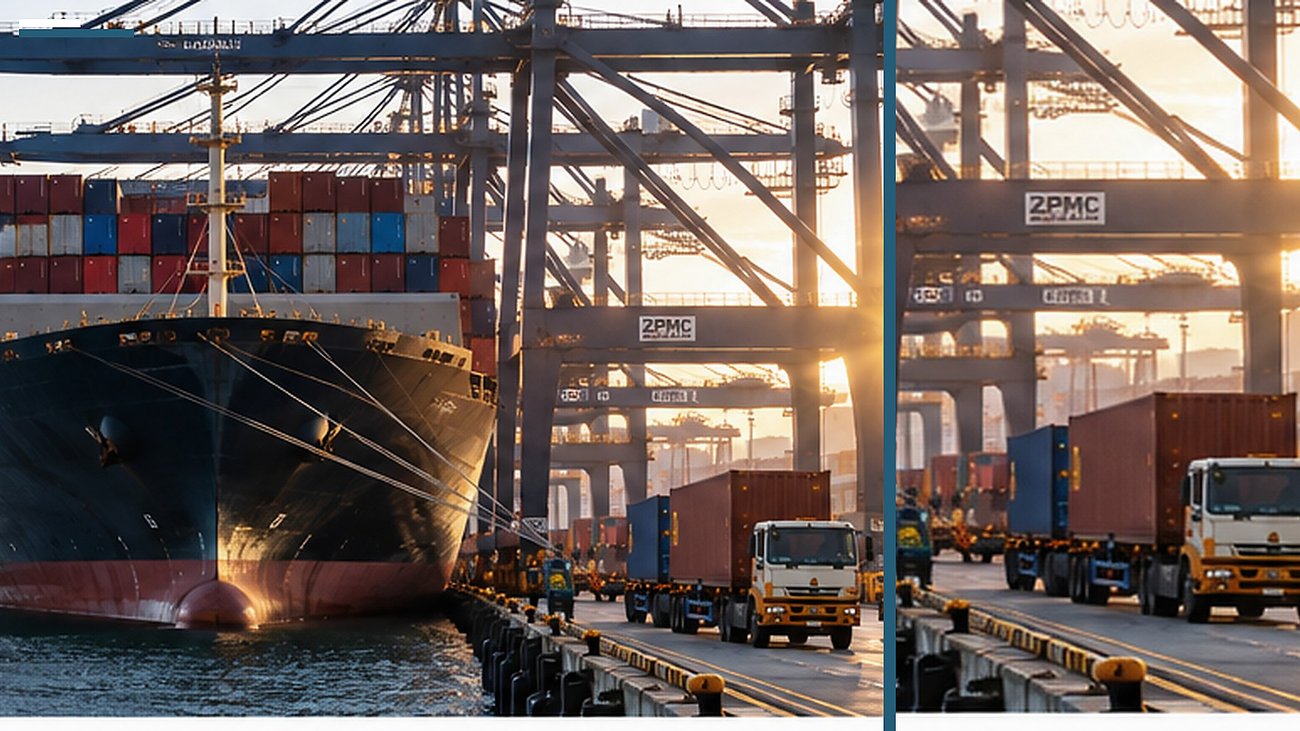
Incoterms define risk-transfer points between seller and buyer, but the party arranging the freight may still manage operational details beyond that point. For compliance and finance teams, the important discipline is consistency. Product data, commercial documents and logistics instructions should tell the same story. When they do not, the shipment becomes harder to clear, reconcile and audit.
A buyer can have less operational control even when a term appears convenient. For compliance and finance teams, the important discipline is consistency. Product data, commercial documents and logistics instructions should tell the same story. When they do not, the shipment becomes harder to clear, reconcile and audit.
Insurance decisions should be reviewed separately rather than assumed from the Incoterm name. For compliance and finance teams, the important discipline is consistency. Product data, commercial documents and logistics instructions should tell the same story. When they do not, the shipment becomes harder to clear, reconcile and audit.
Contracts should name the place or port precisely and reference the intended Incoterms version. For compliance and finance teams, the important discipline is consistency. Product data, commercial documents and logistics instructions should tell the same story. When they do not, the shipment becomes harder to clear, reconcile and audit.
How the terms affect freight price comparison
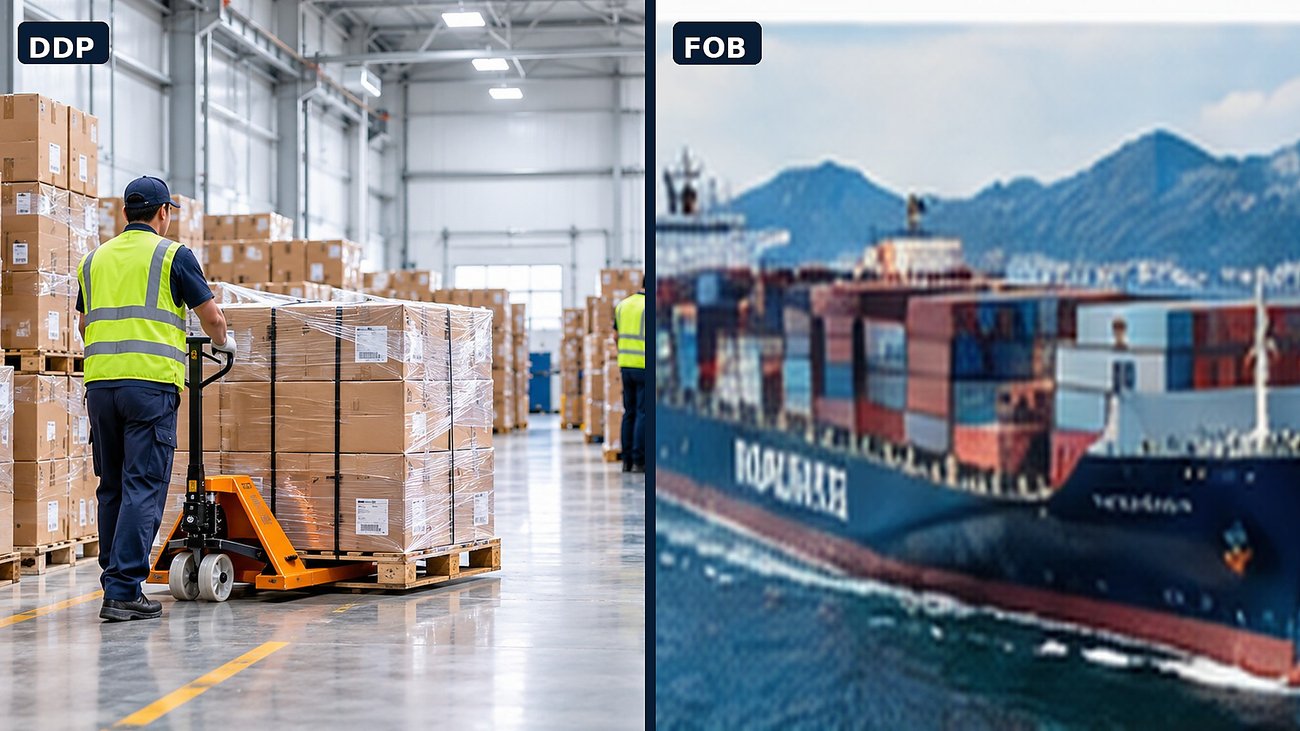
An EXW factory price should not be compared directly with a FOB or DDP price without normalizing the logistics components. For compliance and finance teams, the important discipline is consistency. Product data, commercial documents and logistics instructions should tell the same story. When they do not, the shipment becomes harder to clear, reconcile and audit.
FOB often makes main freight more transparent because the buyer procures it directly. For compliance and finance teams, the important discipline is consistency. Product data, commercial documents and logistics instructions should tell the same story. When they do not, the shipment becomes harder to clear, reconcile and audit.
DAP and DDP can bundle more logistics into the seller’s price, which may simplify purchasing but reduce cost visibility. For compliance and finance teams, the important discipline is consistency. Product data, commercial documents and logistics instructions should tell the same story. When they do not, the shipment becomes harder to clear, reconcile and audit.
For sourcing decisions, convert all offers to the same landed endpoint. For compliance and finance teams, the important discipline is consistency. Product data, commercial documents and logistics instructions should tell the same story. When they do not, the shipment becomes harder to clear, reconcile and audit.

Which term fits which importer
New importers sometimes prefer more bundled delivery, but they still need to understand customs and product compliance. For compliance and finance teams, the important discipline is consistency. Product data, commercial documents and logistics instructions should tell the same story. When they do not, the shipment becomes harder to clear, reconcile and audit.
Experienced importers with brokers and freight contracts often prefer FOB/FCA-style control depending on transport mode. For compliance and finance teams, the important discipline is consistency. Product data, commercial documents and logistics instructions should tell the same story. When they do not, the shipment becomes harder to clear, reconcile and audit.
Businesses with complex duty programs or customs strategies usually want direct visibility over the import process. For compliance and finance teams, the important discipline is consistency. Product data, commercial documents and logistics instructions should tell the same story. When they do not, the shipment becomes harder to clear, reconcile and audit.
The commercial team and logistics team should choose the term together rather than leaving it entirely to supplier negotiation. For compliance and finance teams, the important discipline is consistency. Product data, commercial documents and logistics instructions should tell the same story. When they do not, the shipment becomes harder to clear, reconcile and audit.
Questions to settle before signing the purchase order
What exact named place or port is used? For compliance and finance teams, the important discipline is consistency. Product data, commercial documents and logistics instructions should tell the same story. When they do not, the shipment becomes harder to clear, reconcile and audit.
Who books main carriage and who controls schedule changes? For compliance and finance teams, the important discipline is consistency. Product data, commercial documents and logistics instructions should tell the same story. When they do not, the shipment becomes harder to clear, reconcile and audit.
Who performs export and import customs formalities? For compliance and finance teams, the important discipline is consistency. Product data, commercial documents and logistics instructions should tell the same story. When they do not, the shipment becomes harder to clear, reconcile and audit.
Who pays duties, taxes and destination accessorials, and who can legally fulfill those obligations? For compliance and finance teams, the important discipline is consistency. Product data, commercial documents and logistics instructions should tell the same story. When they do not, the shipment becomes harder to clear, reconcile and audit.
Decision table
| Decision area | What to confirm | Why it matters |
|---|---|---|
| Cargo facts | Commodity, cartons, actual weight, dimensions and handling characteristics | Freight pricing and carrier acceptance depend on the physical shipment, not only the purchase order. |
| Route scope | Pickup point, main mode, gateway and final delivery point | Two quotes are not comparable if they cover different segments of the journey. |
| Customs data | Description, value, classification, origin and importer/broker setup | Clean customs data reduces avoidable questions and supports landed-cost planning. |
| Inventory date | Required receipt date and acceptable schedule buffer | Mode and routing should protect the business requirement, not only minimize transport spend. |
| Exceptions | Storage, inspection, delay, redelivery and escalation process | A clear exception plan reduces surprise cost and decision time when the shipment deviates from plan. |
Importer checklist
- Correct Incoterm for the transport mode
- Named place or port
- Incoterms version referenced
- Export customs responsibility
- Main freight procurement responsibility
- Import customs responsibility
- Duty/tax responsibility
- Insurance approach
- Loading/unloading assumptions
- Destination delivery scope
How the decision changes by destination market
United States
For the United States, combine freight planning with importer-of-record, customs-broker, tariff and final receiving requirements. Port or airport choice should be evaluated against domestic delivery, not in isolation. E-commerce and retailer programs can add appointment, labeling and compliance steps that deserve their own lead time. The same principle applies here: compare the complete operating chain and confirm market-specific requirements before cargo is committed to a route.
Canada
For Canada, destination geography can make final-mile cost a major share of the total shipment. Confirm customs and tax handling, then compare gateways based on the actual delivery province and warehouse rather than assuming the nearest international gateway is always best. The same principle applies here: compare the complete operating chain and confirm market-specific requirements before cargo is committed to a route.
United Kingdom
For the United Kingdom, treat customs and tax planning as a distinct destination workflow rather than an extension of EU processes. The consignee/importer setup, commodity data and final delivery appointment should be clear before departure. The same principle applies here: compare the complete operating chain and confirm market-specific requirements before cargo is committed to a route.
European Union
For EU destinations, customs, VAT structure, product regulation and intra-European distribution can interact. The best arrival gateway for a regional supply chain may differ from the country where the goods are ultimately sold, so legal and logistics planning should be aligned. The same principle applies here: compare the complete operating chain and confirm market-specific requirements before cargo is committed to a route.
Australia
For Australia, biosecurity and product-specific import conditions can be as important as the freight mode. Packaging materials, cargo cleanliness and accurate declarations should be reviewed early for relevant goods. The same principle applies here: compare the complete operating chain and confirm market-specific requirements before cargo is committed to a route.
UAE and Gulf markets
For the UAE and Gulf markets, door-delivery planning should reflect destination customs requirements, consignee readiness and local receiving conditions. Commercial-document accuracy and a clear final-mile contact reduce avoidable handoff delays. The same principle applies here: compare the complete operating chain and confirm market-specific requirements before cargo is committed to a route.
Frequently asked questions
Is DDP always best for buyers?
No. It is convenient in some situations but can reduce transparency or conflict with the importer’s preferred customs structure.
Is FOB used for air freight?
FOB is designed for sea and inland waterway transport. Other terms such as FCA are generally more appropriate for air.
Does EXW mean the supplier does nothing?
The seller still has obligations under the term, but the buyer carries extensive transport responsibility. Practical export arrangements should be confirmed.
Does DAP include duties?
Under DAP, import clearance and related duties/taxes are generally buyer-side responsibilities.
Do Incoterms determine ownership of goods?
No. Title transfer is a contractual matter separate from Incoterms.
Which term gives buyers more freight control?
FOB/FCA or other buyer-procured structures often give more control over main carriage than fully bundled seller-arranged terms.
Next steps
Before requesting a final freight rate, prepare the shipment facts and decide which trade-offs matter most: cost, timing, control, customs responsibility, delivery complexity or inventory risk. YUJINTONG can then review the cargo and build a route around those constraints rather than forcing every shipment into the same template.
Related resources: Incoterms guide · DDP shipping from China · Review your shipment structure
Operational field notes
A useful operating habit is to separate assumptions from confirmed facts. Supplier-provided dimensions, tentative cargo-ready dates and estimated customs classifications should be marked as provisional until the responsible party has verified them. This prevents planning documents from looking more certain than the underlying information really is. When a provisional assumption changes, the team can immediately see which rate, booking or inventory decision needs to be reviewed.
Procurement and logistics teams should also keep a short decision log for material route changes. Record why the original mode was selected, what event caused the change, which alternatives were considered and who approved the additional cost or timing trade-off. This creates better supplier and forwarder reviews later and avoids repeating the same debate during the next disruption.
Another improvement is to standardize shipment master data. A controlled file containing product descriptions, HS classifications used for planning, dimensions, battery status, packaging type, country of origin and compliance references reduces rework across quotations, bookings and customs communication. The data still needs route-specific validation, but teams start from a better baseline.
Visibility is most valuable when it is linked to action. Instead of collecting dozens of milestones, identify the moments that can change a business decision: supplier late, cargo measured differently, booking not confirmed, departure missed, customs hold, free time at risk or delivery appointment rejected. Each critical event should have an owner, a response target and an escalation path.
The financial review should continue after delivery. Compare the original planning estimate with the final freight invoice, customs charges, accessorials and delivery cost. Categorize every variance as forecast error, scope change, operational exception or supplier data issue. Over several shipments, this produces a much more reliable view of landed cost and forwarder performance than headline rate comparisons alone.
For repeat lanes, document a simple standard operating procedure covering booking lead time, required documents, warehouse cutoff, approval contacts, expected milestones and destination receiving rules. The SOP should be short enough that teams actually use it. Update it when a real shipment reveals a new risk or a better operating practice.
A useful operating habit is to separate assumptions from confirmed facts. Supplier-provided dimensions, tentative cargo-ready dates and estimated customs classifications should be marked as provisional until the responsible party has verified them. This prevents planning documents from looking more certain than the underlying information really is. When a provisional assumption changes, the team can immediately see which rate, booking or inventory decision needs to be reviewed.
Procurement and logistics teams should also keep a short decision log for material route changes. Record why the original mode was selected, what event caused the change, which alternatives were considered and who approved the additional cost or timing trade-off. This creates better supplier and forwarder reviews later and avoids repeating the same debate during the next disruption.